
Behind The Meter Applications
Industrial
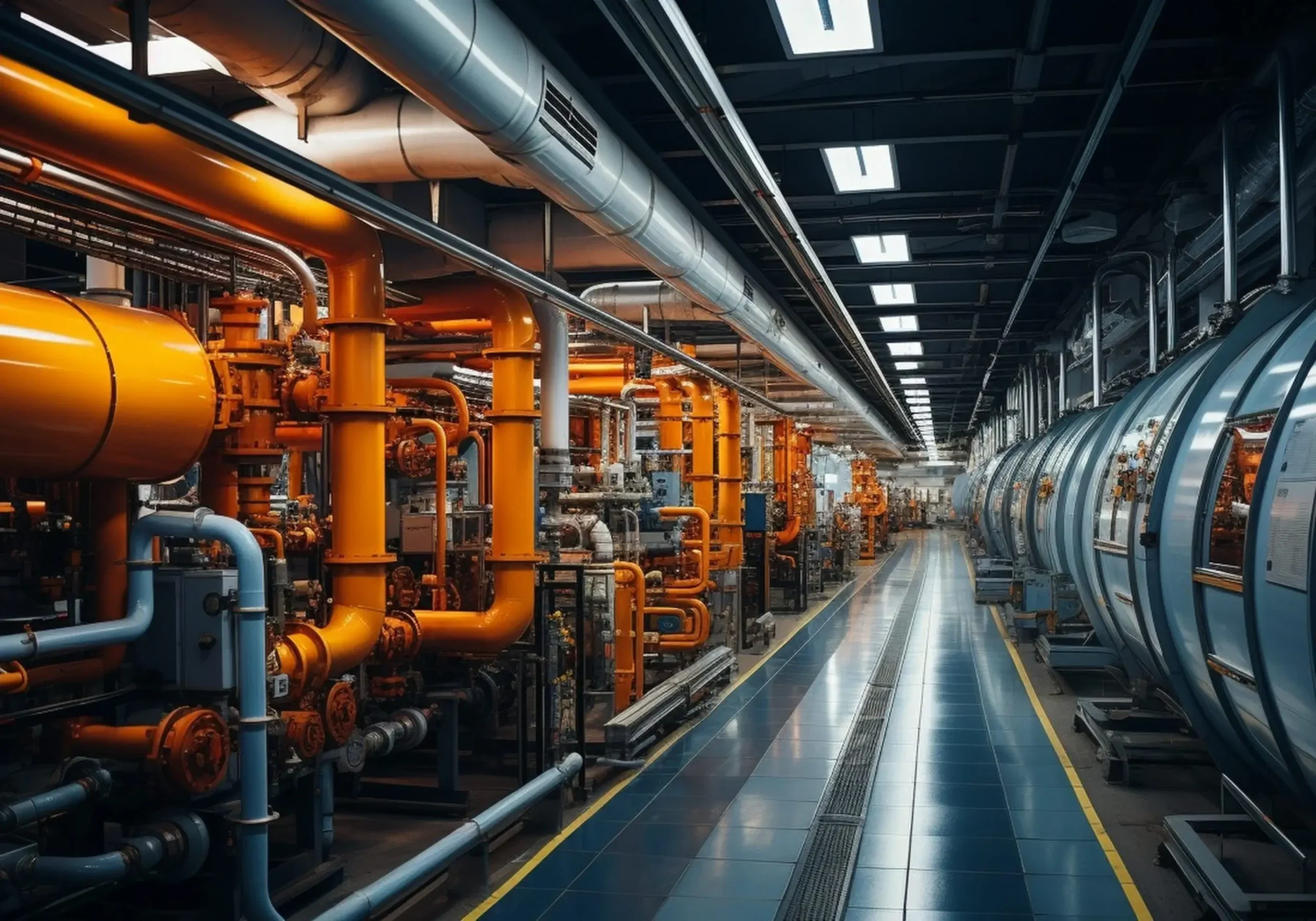
The H2PWR Systems can operate behind-the-meter on a steady-state 24/7 basis or on a “as needed” load-following functioning basis – as needed. In either case, the H2PWR system can produce clean, reliable power while substantially reducing demand charges. As mentioned, it will perform equally well with either natural gas or propane as its feedstock. The standard model will require a source of water for steam reforming; an advanced model that operates without water is in the design phase.
Compression Stations for NG Operators:
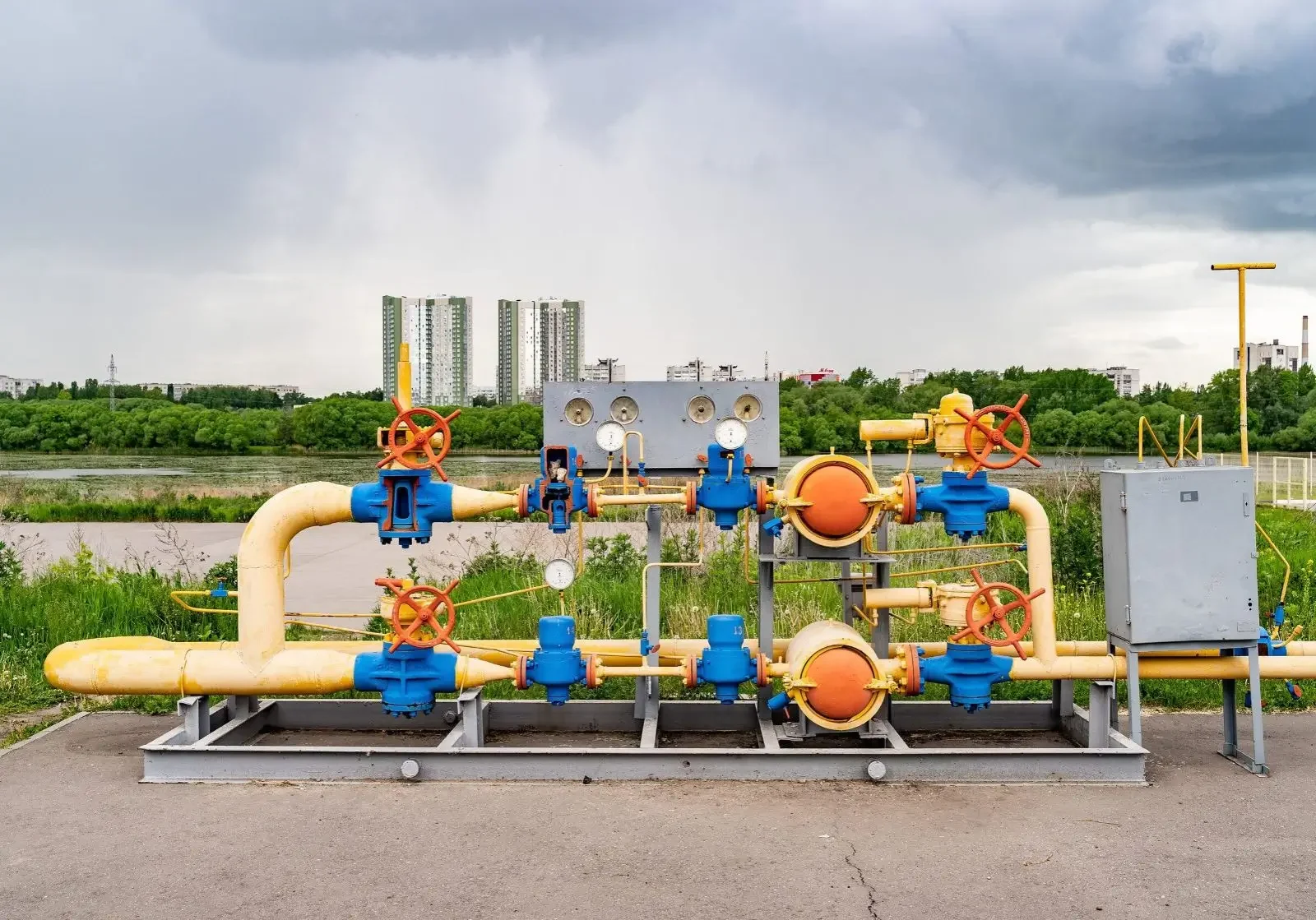
The H2PWR Systems in the larger sizes can be dispatched to power compression stations; the feedstock is readily available. Multiple H2PWR systems can be ganged together for great power flexibility and to permit more frequent maintenance as needed. The units can be transported readily if and when the compression station operations have to be moved, thus eliminating the need for substation construction. A source of water will likely be required, depending on the type of reforming that is available and affordable.
Waste Water Treatment Plants:
Work is underway at RPW to examine the feasibility of producing sufficient hydrogen on-site from the methane effluent resulting from the processing of waste at the treatment plant to operate a H2PWR System… at least with sufficient energy to power the waste treatment facility (or to be the primary source of power when grid-connected). Capital and operating costs are also being factored in to the overall process.
